The useful part first
Key takeaways
- General sewer rodding is a good fit when a main line is obstructed and you need flow restored.
- Active backups call for shutting off normal water use first, then requesting urgent help.
- A camera inspection can add context, but it is a separate service from clearing the line.
- City Public Works handles public-system sewer concerns; private-line work still goes through the contractor referral process.
A main sewer line that slows, gurgles, or backs up needs a practical response, not guesswork. In Palos Heights, general sewer rodding is the standard mechanical clearing option when the blockage is in the shared line or main run, and the next step is usually to confirm access, describe the symptoms, and route the request to a participating contractor.
If wastewater is backing up, stop using water and do not run fixtures to recreate the problem. That keeps more water from pushing into the line and gives the contractor a clearer picture of what’s happening.
Rodding is best when the goal is to clear an obstruction and restore flow. It does not fix every pipe problem, and it is not the same as inspection or jetting. When the situation sounds urgent, start with emergency sewer help rather than waiting to sort through the details.
If the concern appears to involve the public sewer system, Palos Heights Public Works is the city contact for sewer problems and heavy-rain issues. The city’s electronic work order is a municipal reporting channel, not a contractor booking tool.
What sewer rodding does, and what it doesn’t
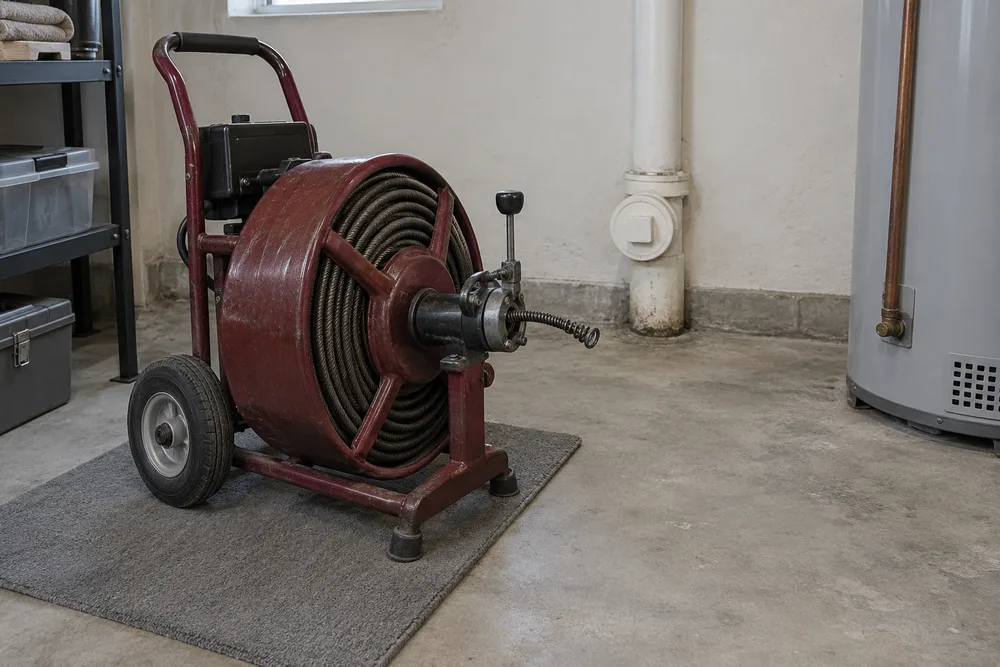
Sewer rodding uses flexible mechanical equipment to break up or pull back an obstruction in the main sewer line. For many homeowners, that means a toilet that won’t drain well, a basement floor drain that is slow to recover, or several fixtures acting sluggish at the same time. The work is aimed at reopening the line so wastewater can move again.
The value of rodding is direct clearing, not broad diagnosis. If the blockage is grease, paper, small root intrusions, or other soft debris, rodding may be enough to restore service. If the line is broken, offset, or heavily built up, clearing alone may provide only temporary relief.
A contractor can usually tell you what access points are available and whether the line can be reached through an existing cleanout or another safe entry point. If no proper access is available, that becomes part of the conversation before any work begins.
- Clears many common main-line obstructions
- Uses existing access when available
- Does not guarantee a structural repair
- Can be followed by inspection if more detail is needed
When clearing is the right kind of work
Sewer rodding makes sense when the symptoms point to a blockage rather than a broken pipe. That includes repeated slow drainage across more than one fixture, wastewater that returns through a low drain, or a line that has already clogged and needs another pass.
When another service may be a better fit
If the concern is about recurring roots, pipe condition, or whether the line needs a closer look after clearing, a camera inspection may be the next step. If the symptom is only at one sink, tub, or toilet, a fixture-drain service may be more appropriate than main-line work.
How a sewer rodding request gets handled
You start by describing what you see, what fixtures are affected, and whether the problem is active right now. That helps the referral team route the request to a participating contractor who handles the type of work needed. The contractor then decides the best way to proceed based on access, symptom pattern, and any notes you share.
The most useful details are concrete. Say whether a toilet bubbles when the shower runs, whether a basement drain is taking water, or whether the problem appears after laundry use. Those details help separate a single-fixture issue from a line-wide blockage.
If the line is already overflowing, the process changes. The homeowner should pause water use, avoid flushing, and avoid running sinks or tubs to test the drain. Then the urgent request can be handled through the emergency route, which is designed for active backup intake.
- Describe which fixtures are affected
- Note whether the backup is active or intermittent
- Tell the contractor if a cleanout is visible and accessible
- Use the emergency route for active wastewater backup
What the contractor will likely ask first
Expect questions about the first symptom you noticed, whether the home has multiple slow drains, and whether any recent work or heavy rainfall lines up with the issue. Those answers help shape the visit before anyone gets on site.
Water backing up now?
Pause water use and call. Emergency calls are accepted 24/7.
Palos Heights sewer concerns and city reporting
The City of Palos Heights Public Works department includes Water and Sewer work, and the city says its on-call staff responds to sewer problems and heavy rainfall issues. That matters when the concern may involve the public system instead of the private home line. In those cases, the city is the right place to report the issue through its current instructions.
Public-system concerns and private-line clogs are not the same thing. A contractor can clear a private obstruction, but a city report is the right move when the trouble seems tied to the municipal sewer or to broader rain-related conditions.
If you are not sure which side of the line is involved, the symptom pattern helps. Widespread neighborhood effects, street-related issues, or city-directed instructions point toward Public Works. A problem isolated to one home, especially one that affects several fixtures at once, more often points to a private line that needs service. For guidance on that distinction, see private line or public sewer.
- City Public Works handles sewer-related public concerns
- Heavy rainfall issues may be reported through the city channel
- A contractor booking is for private-line work
- Symptom pattern helps separate public and private issues
A quick decision check
If the line backs up only inside your home, the referral process is usually the next step. If the issue looks broader than one property or matches city instructions about a public sewer concern, contact the city first.
What a planned visit can look like
For example, suppose your basement laundry sink drains slowly in the morning, the basement floor drain burps when a toilet is flushed, and the problem has not yet become a full backup. In that case, the request would usually be described as a main-line cleaning need, with notes about the affected fixtures and whether any cleanout is visible. The contractor may arrive ready to rod the line and then decide whether a camera inspection is worth adding after flow is restored.
That planned approach changes fast if wastewater starts coming back into the house. If the floor drain overflows or a toilet threatens to spill, the visit becomes urgent, and you should stop adding water to the system while the referral is handled as an active backup.
The practical point is that the same home can move from a scheduled cleaning to an urgent call based on what the drain is doing that day. The work itself may still be rodding, but the way the request is handled is different because the conditions changed.
- Planned visit: describe symptoms and available access
- Urgent visit: stop water use and request emergency intake
- After clearing: consider inspection if recurring signs remain
Why the example matters
A homeowner often knows the problem is “in the main line” before knowing the cause. The example shows how the conversation starts with symptoms and then adjusts once the contractor sees the setup on site.
Sewer rodding, inspection, and jetting: how they differ
These services are often mentioned together, but they solve different problems. Rodding clears an obstruction, inspection looks inside the line, and jetting uses high-pressure water to clean the pipe wall more aggressively. The right choice depends on what you are trying to learn or fix first.
If you need the line opened, rodding is usually the first conversation. If you need to know whether roots, offsets, or repeat buildup are part of the picture, inspection becomes more useful. If buildup is heavy or the pipe needs stronger cleaning, jetting may be discussed instead.
Related services when the problem isn’t the main sewer
Not every clog belongs in a main-line request. A kitchen sink that backs up by itself, a toilet that drains poorly without other fixtures reacting, or a shower that’s the only slow drain may call for a fixture-specific service instead. That’s why the first description matters so much.
You can move from a main-line question to a fixture-specific one without starting over. If you realize the issue is limited to one drain, the relevant service can be handled through the appropriate page, such as drain cleaning, toilet drain clearing, or floor drain cleaning.
When the concern is deeper in the sewer run or you want to understand pipe condition after clearing, a camera inspection may be the logical next step. If roots are the suspected cause, there is also a separate root removal service that fits that situation better than a generic clearing request.
- Single fixture issue: look at fixture-drain service
- Multiple fixtures: main line may be involved
- Recurring symptoms: inspection can add detail
- Roots suspected: use the root-related service path
Keep the first call focused
You do not need to diagnose the whole system before asking for help. A clear description of what is happening, where it shows up, and whether it is active now gives the contractor enough to route the job correctly.
Quick service comparison
| Need | Best match | Why it fits |
|---|---|---|
| Restore flow in the main sewer line | Sewer rodding | Mechanical clearing is aimed at common obstructions in the main run |
| Learn what is happening inside the line | Camera inspection | Inspection shows pipe condition and recurring trouble spots |
| Deal with a single slow or clogged fixture | Fixture drain cleaning | A localized drain issue usually starts at the fixture |
| Address suspected roots after the blockage is identified | Root removal service | Root-related work is more specific than general clearing |
Questions homeowners ask
How do I know whether I need sewer rodding or a drain cleaning?
If one sink, tub, or toilet is acting up on its own, a fixture drain service is usually the better fit. If several fixtures are affected, or a low drain reacts when another fixture is used, the main sewer line may be involved and rodding is the more likely request.
What should I do if sewage is backing up into the house?
Stop using water right away. Don’t flush, run sinks, or run laundry to test the line. Then request urgent help through the emergency process so the backup can be handled as an active event.
Can I tell the contractor to open a cleanout myself before the visit?
No. Do not open a pressurized or backed-up cleanout on your own. Let the contractor handle access and decide the safest entry point when they arrive.
If the problem is caused by heavy rain, should I still book sewer rodding?
Heavy rain can matter, but it does not automatically mean the issue is private or that rodding is the only answer. If the concern seems tied to the public sewer system, report it to Palos Heights Public Works. If it is isolated to your home, a contractor referral is usually the next step.
Will rodding always fix the problem for good?
Not always. Rodding can clear the obstruction and restore flow, but recurring backups can point to roots, buildup, or a pipe condition that needs more information. That is when inspection becomes useful.
Local resources
Use these official resources for municipal or utility information. They are separate from Plumbers 911.